.png)
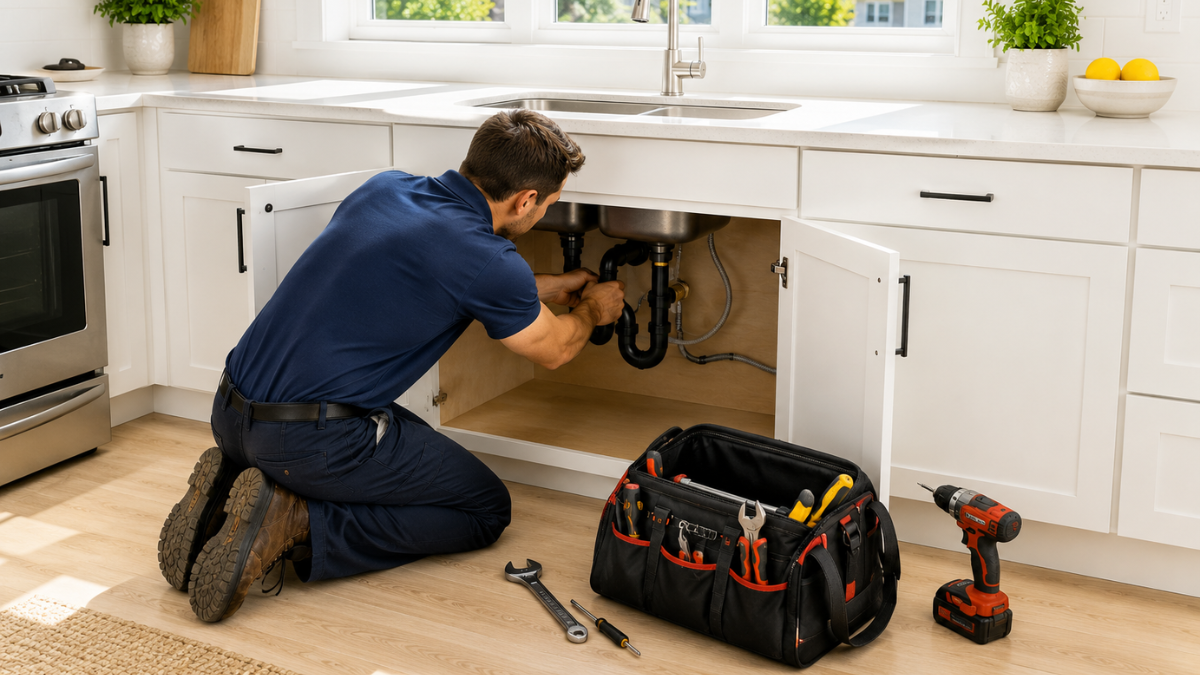
If you own a rental property long enough, something will break.
Actually, a few things will break. Sometimes at the same time. Sometimes right after you thought you were “finally caught up.”
That’s the part most new landlords don’t quite expect. Repairs are not rare events. They are part of the operating system.
The question is not if things will break. It’s how often, how expensive, and how prepared you are when they do.
Property managers tend to understand this early. They see patterns. The same systems fail. The same calls come in. The same small issues quietly turn into expensive ones. Owners who work with property managers often adopt that mindset faster. Repairs stop feeling like surprises and start looking like line items.
Let’s walk through what actually breaks most in rental properties. Not in theory. In reality.
If there is one system that consistently causes stress, it’s HVAC.
Heating and cooling systems work hard. Especially in climates with temperature swings. They run daily. They age quietly. Then one day, they stop.
According to industry data, HVAC systems typically last 10 to 15 years. That sounds like a long time until you realize many rental properties already have systems approaching that range.
Repairs are not cheap. A simple fix might cost a few hundred dollars. A full replacement can easily reach several thousand.
What makes HVAC tricky is timing. It rarely fails during a calm, convenient week. It fails during peak heat or cold, when tenants need it most.
Planning for HVAC means regular servicing, filter changes, and budgeting ahead. Waiting until failure usually means higher costs and faster decisions.
Plumbing problems rarely start dramatic.
A slow leak under a sink. A toilet that runs a little longer than it should. A drain that clogs more often than expected.
These are easy to ignore. Easy to postpone.
Until they are not.
Water damage is one of the most expensive repair categories for landlords. Even minor leaks can lead to mold, structural damage, or flooring replacement.
According to Concept 360 Property Management, many of the most costly repair situations they see begin as small, overlooked plumbing issues that were not addressed early. Their experience suggests that proactive maintenance often costs a fraction of what reactive repairs demand later.
It’s not complicated advice. Just not always followed.
Appliances do not fail in spectacular ways. They just… stop working.
Refrigerators lose efficiency. Washers leak. Ovens heat unevenly. Dishwashers become noisy before they give up entirely.
The challenge with appliances is frequency. They break more often than major systems, and tenants rely on them daily.
Most appliances last between 8 to 12 years. In rental properties, sometimes less.
Replacing a single appliance is manageable. Replacing multiple within a short period becomes noticeable.
Planning here means tracking age. Not guessing. Knowing when replacement is likely helps avoid clusters of unexpected costs.
Electrical issues tend to stay hidden.
Outlets stop working. Breakers trip. Lights flicker occasionally. Nothing urgent. Until something escalates.
Older properties are especially prone to this. Wiring standards change over time. Systems that once worked fine may struggle with modern usage.
Repairs vary widely in cost. Some fixes are simple. Others require deeper inspection and upgrades.
According to insights shared by Hi Pacific Property Management, electrical issues often surface during tenant turnover or inspection periods, when usage patterns shift and hidden weaknesses become more apparent.
That timing matters. It means problems may appear right when you are trying to fill a vacancy.
Water heaters are a bit ironic.
They are one of the most predictable systems in a home. They also catch landlords off guard all the time.
Most water heaters last around 8 to 12 years. Yet many are replaced only after failure.
When they go, tenants notice immediately. No hot water tends to accelerate response time.
The cost is not always extreme, but the urgency is. Planning for replacement before failure reduces stress, avoids emergency installation fees, and keeps tenants satisfied.
Repairs feel unpredictable because they rarely happen in isolation.
One month everything is quiet. The next month includes a plumbing issue, an appliance replacement, and a maintenance request that turns into something larger.
This clustering effect is normal. Not a sign of bad luck. Just the nature of property ownership.
Property managers often build systems around this reality. Scheduled inspections. Maintenance tracking. Vendor networks. These systems do not prevent repairs entirely, but they reduce chaos.
Owners managing properties independently can build similar habits. It just takes intention.
There are two ways to approach rental property maintenance.
React when something breaks. Or plan for what will break.
Reactive management feels cheaper in the moment. You only spend when necessary.
Planned maintenance spreads costs over time. It includes inspections, servicing, and proactive replacements.
Over the long term, planning tends to reduce total expenses. It also reduces stress. Which is harder to measure, but still very real.
This is where tools like rental warranties often enter the conversation. Not as a cure-all, but as part of a broader strategy to make repair costs more predictable.
Property managers do not eliminate repairs. That would be impressive.
What they often do is create structure around them.
They track maintenance schedules. They coordinate vendors. They respond faster because they have systems in place. They also provide reporting that helps owners understand where money is going.
For landlords with multiple properties, or even just one that demands time, this structure can make a noticeable difference.
It is not always necessary. But it is often helpful.
Owning a rental property will never be completely predictable.
But it can be more manageable than it sometimes feels.
When you understand what breaks most often, track system lifespans, and plan for replacements before failure, the entire experience shifts.
Repairs become expected. Budgeted. Less disruptive.
For landlords looking to reduce financial surprises and create more stability, exploring structured approaches to maintenance, including rental warranty plans, can be a practical next step. Not a perfect solution. Just a more controlled one.
And control, in property ownership, tends to be worth a lot.
A: HVAC systems, plumbing, appliances, electrical components, and water heaters are the most common. These systems experience frequent use and natural wear over time.
A: A common rule is 1% to 2% of the property value annually, though older homes may require more. Maintenance costs vary based on age, condition, and location.
A: Many maintenance and repair expenses are tax deductible. However, improvements may need to be depreciated. It’s best to consult a tax professional.
Regular inspections, preventive maintenance, and tracking system lifespans help reduce surprise expenses. Planning ahead is key.
Rental warranties can help make repair costs more predictable by covering certain systems and appliances, depending on the plan.
This site offers free content and comparison tools for consumers. We may receive compensation from featured companies, but aim to provide objective comparisons. Listings do not imply endorsement, and we don’t cover all providers. Prices may change - visit providers websites for latest rates.
Mailing Address:
Houston, Texas USA
© 2026 RentalWarranty.com All rights reserved.